Understanding Crohn’s Disease: Causes, Symptoms, and Treatment Options
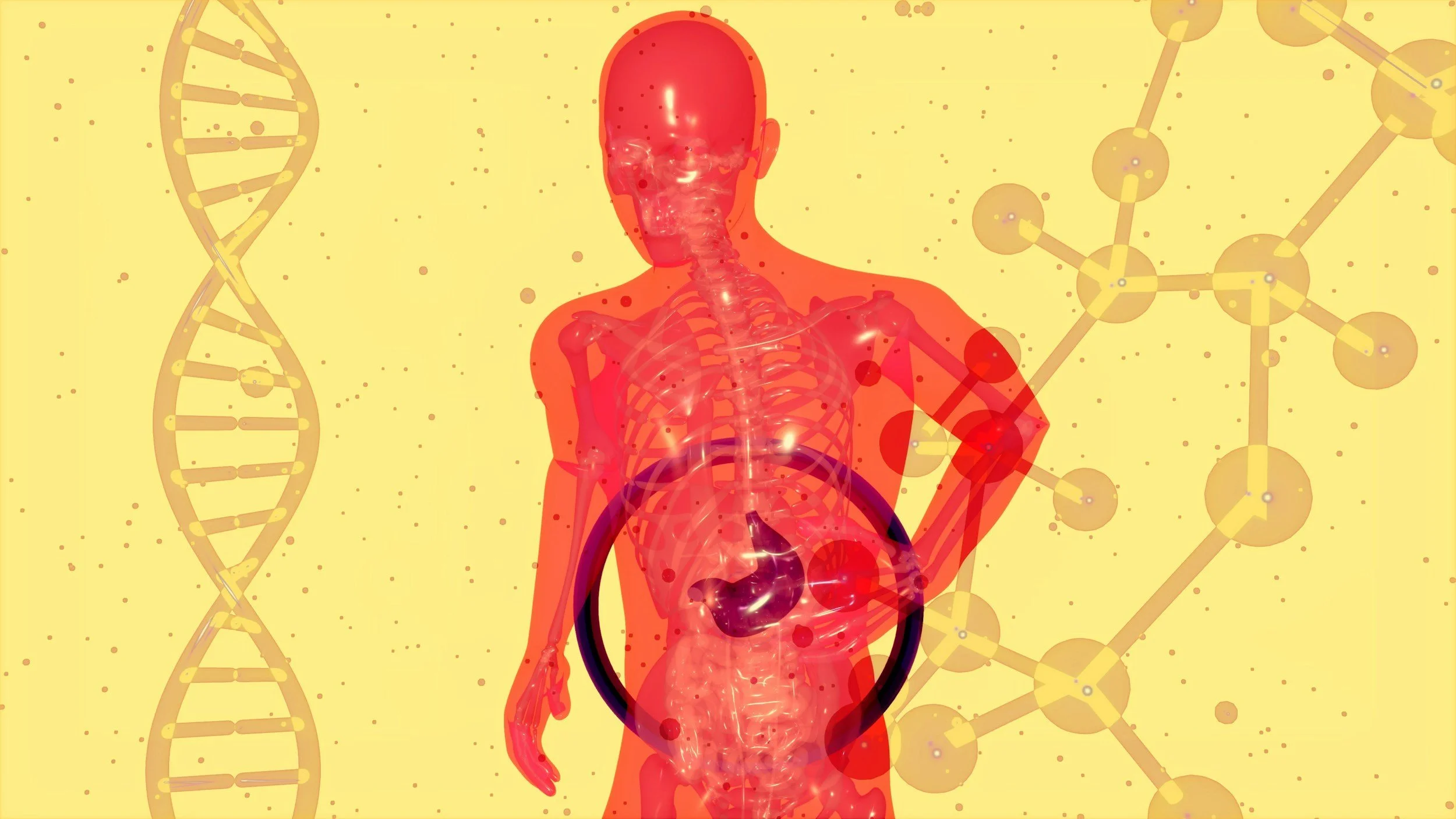
Crohn’s Disease is a chronic condition that impacts the digestive tract, particularly the ileum and colon, though it can affect any part of the intestines. As an autoimmune inflammatory bowel disease (IBD), it arises from an inappropriate inflammatory response to gut microbes in those with a genetic predisposition. While the exact cause remains unclear, the effects are life-altering for those living with the condition.
Who is Affected by Crohn’s Disease?
Although Crohn's disease can develop at any age, it is most commonly diagnosed in individuals between 15 and 35 years old. Unfortunately, the prevalence of inflammatory bowel disease is on the rise, with a genetic component making individuals with a family history of auto-immune conditions more susceptible.
Common Symptoms of Crohn’s Disease
Crohn’s disease manifests in various ways, and its symptoms can differ from person to person. Common signs include:
Nausea and lack of appetite
Malnutrition and weight loss
Abdominal pain and tenderness
Urgent bowel movements
Chronic diarrhoea and rectal bleeding
Fatigue and brain fog
Sore joints and eye inflammation
Failure to thrive in children
These symptoms can range from mild to severe, with periods of remission in between.
Causes and Triggers for Crohn’s Disease
Several factors are believed to contribute to the development of Crohn’s disease, including:
Genetics: A family history of Crohn's disease or other autoimmune conditions increases your risk. 1 in 5 people with Crohn’s have a close relative with the condition.
Ethnicity: White individuals, particularly those of Ashkenazi Jewish descent, have the highest incidence of Crohn’s, although it affects all ethnic groups.
Smoking: Cigarette smoking is a significant risk factor, often leading to more severe disease and a greater likelihood of surgery.
NSAIDs: Regular use of nonsteroidal anti-inflammatory drugs like ibuprofen and naproxen can aggravate the disease.
How is Crohn’s Disease Diagnosed?
Diagnosing Crohn’s disease requires a combination of tests. These may include stool and blood tests to check for inflammation markers like faecal calprotectin and C-reactive protein (CRP), and more invasive procedures such as endoscopy, colonoscopy, or MRI scans to assess the intestines directly.
Treatment Options for Crohn’s Disease
While there is no cure for Crohn’s disease, there are various treatments available to manage symptoms and maintain remission:
Biomedical Treatments
Steroidal anti-inflammatory medications: Typically used short-term during flare-ups.
Immunosuppressants: Medications like sulfasalazine or methotrexate are added to suppress immune system activity.
Biologics: Drugs such as Humira target specific parts of the immune system to reduce inflammation.
Natural Complementary Approaches
Curcumin: A powerful anti-inflammatory derived from turmeric, curcumin has been shown to help maintain remission.
Fish oil: Omega-3 fatty acids from fish oil may support remission.
Probiotics: Certain strains, like VSL#3, have shown promise as part of a complementary approach.
Saccharomyces cerevisiae var boulardii: This beneficial yeast, when combined with mesalamine, can help reduce the time it takes to reach remission.
Crohn’s disease can be challenging to manage, but a combination of conventional and natural treatments can offer relief and improve quality of life. Working closely with your healthcare team to tailor your treatment plan is crucial for maintaining long-term health.
If you or someone you know is experiencing symptoms of Crohn’s disease, book a clarity call to discuss testing options and personalised treatments tailored to your needs.
