Understanding Diverticulitis: Symptoms, Causes, and Treatment Options
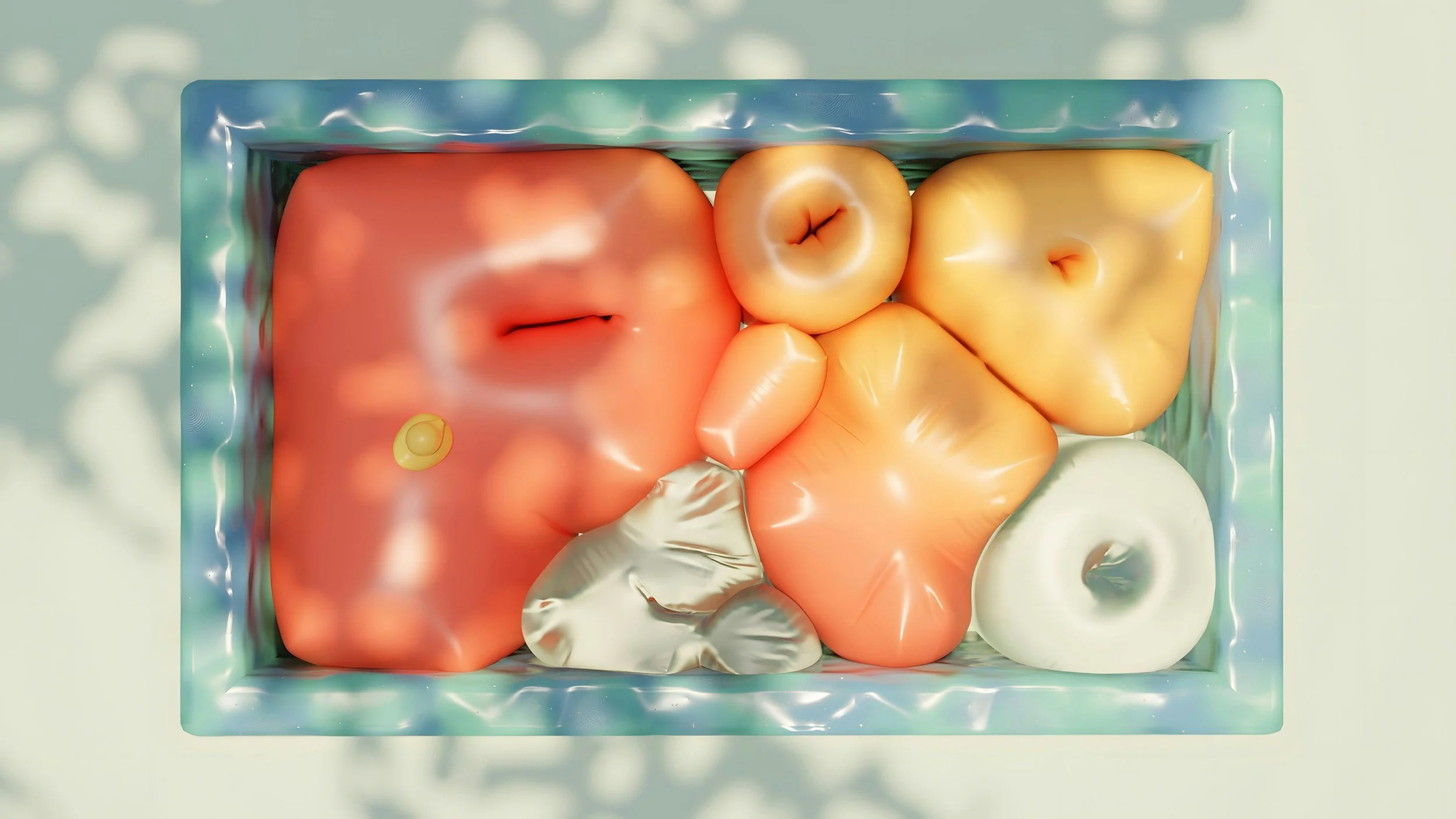
Diverticulitis is a common condition that affects the digestive tract, specifically the colon. It occurs when small, bulging pouches (diverticula) in the digestive tract become inflamed or infected. These pouches are a result of a condition called diverticulosis, which is the formation of diverticula along the walls of the colon. Diverticulosis is generally harmless, but when the diverticula become inflamed or infected, it leads to diverticulitis, which can cause significant pain and complications if not treated promptly.
Who is Affected by Diverticulitis?
Diverticulitis becomes more common with age, primarily affecting people over 40, and it is particularly prevalent in individuals over 60. However, younger people may also develop diverticulitis, especially if there are lifestyle factors at play such as a low-fibre diet, obesity, or lack of regular physical activity. While once considered rare in younger individuals, the incidence is rising in this population due to dietary and lifestyle changes.
Signs and Symptoms of Diverticulitis
The symptoms of diverticulitis can vary in severity, ranging from mild to severe. The most common symptoms include:
Pain in the lower left side of the abdomen (the most common symptom)
Fever
Nausea and vomiting
Changes in bowel habits, such as constipation or diarrhoea
Abdominal bloating or tenderness
Blood in the stool (in some cases)
In severe cases, diverticulitis can lead to complications such as abscesses, fistulas, or even a rupture of the colon, which is a medical emergency.
Causes and Triggers for Diverticulitis
The exact cause of diverticulitis isn’t fully understood, but several factors increase the risk of developing the condition:
A Low-Fibre Diet: One of the strongest contributing factors is a diet low in fibre. Fibre helps soften stool and promotes regular bowel movements, reducing pressure on the colon. A lack of fibre in the diet can lead to the formation of diverticula, which can then become inflamed or infected.
Aging: As we age, the walls of the colon naturally weaken, making it more likely for diverticula to form.
Obesity: Excess weight, particularly around the abdomen, increases the pressure on the colon, contributing to diverticulosis and diverticulitis.
Sedentary Lifestyle: Lack of physical activity is linked to a higher risk of developing diverticulitis, as regular movement supports bowel function and reduces pressure on the colon.
Smoking: Smoking has been shown to increase the risk of diverticulitis and its complications.
Diagnosing Diverticulitis
If you suspect you have diverticulitis, it is essential to seek medical attention for a proper diagnosis. Tests may include:
Physical Examination: Your doctor will check for abdominal tenderness, particularly in the lower left abdomen.
Blood Tests: To check for signs of infection or inflammation, such as an elevated white blood cell count.
CT Scan: This imaging test is the most accurate way to confirm diverticulitis, assess the severity of the inflammation, and rule out other conditions.
Colonoscopy: While not usually recommended during an acute diverticulitis episode due to the risk of perforation, a colonoscopy may be performed later to rule out other conditions or to check the extent of diverticulosis.
Treatment Options for Diverticulitis
Treatment for diverticulitis depends on the severity of the condition. Most cases can be managed with non-invasive methods, but more severe or recurrent cases may require surgery.
Conservative Treatment Options
For mild cases of diverticulitis, the following treatments are commonly recommended:
Antibiotics: If an infection is present, antibiotics may be prescribed to treat it.
Liquid Diet: During an acute flare-up, a clear liquid diet may be recommended to allow the colon to rest. Gradually, you can reintroduce solid foods, focusing on a high-fibre diet.
Pain Management: Over-the-counter pain relievers like acetaminophen may be recommended. Avoid NSAIDs (such as ibuprofen or aspirin) as they may increase the risk of complications in people with diverticulitis.
Dietary Changes and Prevention
Increase Fibre Intake: A high-fibre diet is crucial for preventing further diverticulitis flare-ups. Fibre-rich foods such as fruits, vegetables, legumes, and whole grains help promote healthy bowel movements and reduce pressure in the colon.
Stay Hydrated: Drinking plenty of water is essential when increasing fibre intake, as fibre needs water to move efficiently through the digestive system.
Regular Exercise: Engaging in regular physical activity helps stimulate bowel function, reducing the risk of constipation and pressure on the colon.
Quit Smoking: Smoking cessation is strongly advised to reduce the risk of diverticulitis and other health complications.
Surgical Options
In severe or complicated cases of diverticulitis, surgery may be necessary to remove the affected part of the colon. This is typically reserved for cases where:
There is a rupture or perforation of the colon.
Abscesses or fistulas have developed.
Diverticulitis is recurrent or does not respond to other treatments.
Surgery can be a highly effective solution for long-term management in individuals with chronic or complicated diverticulitis.
Complementary Approaches
For individuals looking to support gut health naturally and prevent further flare-ups, complementary approaches may be beneficial alongside conventional treatments:
Probiotics: Probiotics can help maintain a healthy gut flora, which supports digestion and reduces inflammation. Look for strains such as *Lactobacillus* and *Bifidobacterium*.
Anti-Inflammatory Herbs: Curcumin, derived from turmeric, is known for its anti-inflammatory properties and may help soothe inflammation in the digestive tract.
Aloe Vera Extract and Slippery Elm: These natural remedies can help coat and protect the digestive lining, reducing irritation.
L-Glutamine: This amino acid supports gut healing and helps maintain the integrity of the intestinal lining.
Living with Diverticulitis
Managing diverticulitis requires a combination of dietary changes, lifestyle adjustments, and, in some cases, medical intervention. By adopting a high-fibre diet, staying active, and managing stress, you can reduce the risk of future flare-ups and improve your overall gut health. If you're experiencing symptoms or have been diagnosed with diverticulitis, working closely with your healthcare provider to create a personalised treatment plan is key to long-term wellness.
