Alcohol and Health: Why Zero Is the Best Intake

Do you find yourself reaching for a glass of wine regularly but feeling less than great afterward?
Research shows that the effects of alcohol go far beyond the occasional hangover, with more serious long-term health implications.
Alcohol, though socially accepted, poses significant risks to our health that are often underestimated.
Once considered relatively harmless or even beneficial in small amounts, mounting evidence now shows that alcohol contributes to a range of health issues.
Research now shows that even moderate drinking has negative consequences for our bodies, and the best level of intake is, in fact, zero. Here’s why.
Nutrient Absorption and Deficiencies
Alcohol provides 7 calories per gram but offers no nutritional benefit.
Unlike carbohydrates, fats, or proteins that provide energy and essential nutrients, alcohol is classified as ‘empty calories’ because it does not support the body's metabolic functions. In fact, it disrupts them.
Regular alcohol consumption interferes with the absorption of vital nutrients such as zinc, magnesium, and B vitamins. These nutrients are crucial for energy production, immune support, and overall health.
Alcohol impairs nutrient absorption by damaging the gut lining, leading to conditions like leaky gut, where harmful substances pass through the intestinal barrier, causing inflammation and increasing the risk of nutrient deficiencies.
Studies show that individuals with alcohol use disorder have 20-50% greater prevalence of deficiencies in key micronutrients like calcium, magnesium, and vitamin B1.
Impact on Gut Health
Alcohol's negative effects extend to gut health. Regular drinking disrupts the balance of the gut microbiome, damaging the intestinal lining and increasing gut permeability, commonly referred to as leaky gut.
This condition allows toxins and harmful bacteria to escape into the bloodstream, triggering widespread inflammation.
Chronic inflammation contributes to a higher risk of diseases such as type 2 diabetes, liver disease, and heart disease. Even occasional binge drinking can raise harmful bacterial toxins like lipopolysaccharides (LPS) in the bloodstream for up to three hours after consumption.
Over time, regular alcohol intake significantly increases gut permeability, which has long-term effects on immune function and overall health.
Increased Cancer Risk
Alcohol is classified as a Group 1 carcinogen, placing it in the same category as tobacco. There is no ‘safe’ level of alcohol when it comes to cancer risk.
Even light drinking, defined as less than one drink per day, raises the risk of several cancers, including breast, colon, and liver cancer.
For women, consuming just one drink per day can increase the risk of breast cancer by 4%, and the risk increases with higher consumption.
Regular consumption of alcohol contributes to DNA damage and impairs the body’s ability to repair itself, making it a potent cancer risk factor.
Alcohol and Brain Health
Alcohol’s effects on the brain are significant. It reduces both grey and white matter in the brain, which impairs cognitive function over time.
Regular consumption contributes to memory loss and increases the risk of dementia, even at low levels.
Heavy alcohol use can cause irreversible brain damage, and even light to moderate drinking is linked to cognitive decline in older adults.
What is a safe level?
Although alcohol is one of the most culturally sanctioned substances, it is far from harmless.
It disrupts nutrient absorption, damages the gut, and increases the risk of cancer and cognitive decline, presenting numerous health risks
The best intake level, backed by science, is zero.
Reducing or eliminating alcohol is one of the most impactful steps you can take to improve your overall health and longevity.
This blog post includes insights from Dr Rhonda Patrick’s podcast episode where she explored the research to date about alcohol and its link to causing health problems.
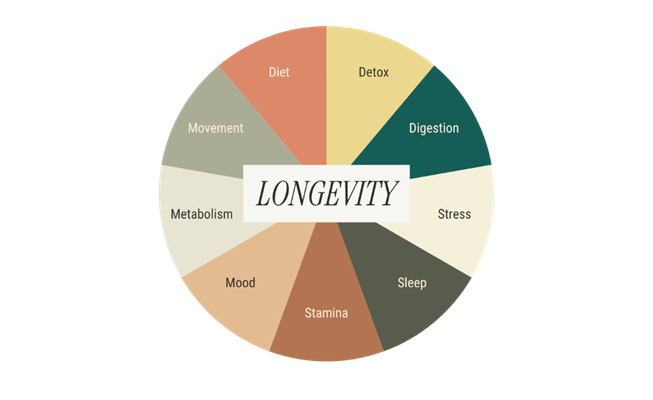
Before you go - complete the simple Health Edit Assessment and we'll send you a personalised report outlining what you need to focus on the most!
