How Old Are You Really? The Science Behind the TruAge Test
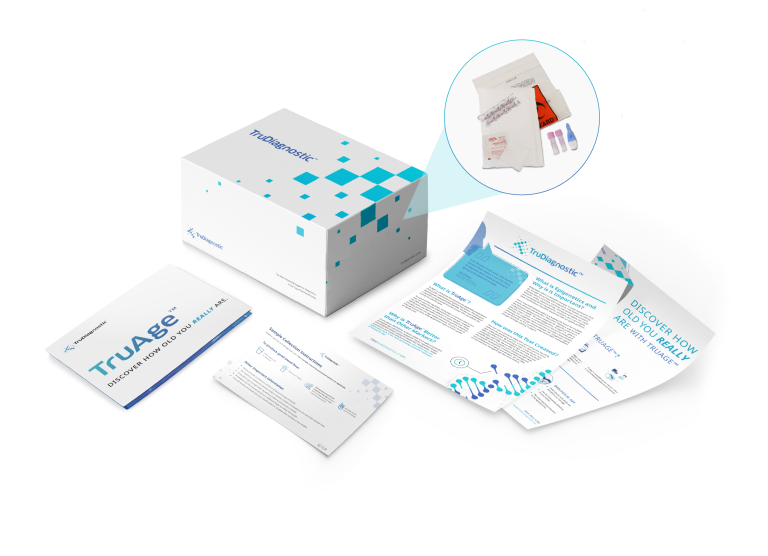
In our fast-paced world, where stress and environmental factors constantly challenge our well-being, understanding our true health status goes beyond just our chronological age. The TruAge test offers a deeper insight into our biological age—providing a more accurate reflection of our overall health and potential longevity. But what exactly is the TruAge test, and why should you consider it?
What is the TruAge Test?
The TruAge test is a cutting-edge diagnostic tool that measures your biological age through the analysis of DNA methylation patterns. Unlike traditional methods that only consider your age based on the number of years you've lived, the TruAge test evaluates the actual wear and tear on your body at the cellular level. This advanced approach provides a clearer picture of how lifestyle choices, stress, and environmental exposures impact your health.
Why Biological Age Matters
While chronological age is simply the number of years you’ve been alive, biological age reflects how old your body truly feels and functions. Factors like diet, exercise, sleep quality, and stress levels all influence your biological age. By understanding this, you can take proactive steps to improve your health and potentially extend your lifespan.
How Does the TruAge Test Work?
The TruAge test involves a simple process:
Sample Collection: A small sample of your DNA is collected through a blood sample.
Laboratory Analysis: The sample is analysed in a specialised lab, where scientists examine the DNA methylation patterns.
Results Interpretation: The data is compared against a vast database to determine your biological age.
The Benefits of Knowing Your Biological Age
Personalised Health Insights: The TruAge test provides valuable information that can help tailor health and wellness plans to your specific needs.
Proactive Health Management: By understanding your biological age, you can make informed decisions about lifestyle changes that may slow down the aging process.
Tracking Progress: Regular testing allows you to monitor the effectiveness of your health interventions and adjust them as needed.
Empowerment: Knowledge is power. Knowing your biological age empowers you to take control of your health journey.
Practical Steps to Improve Your Biological Age
As highlighted in my previous blog on healthy ageing, here are some practical steps to enhance your biological age:
Adopt a Healthy Diet: Focus on nutrient-dense foods that support cellular health. Incorporate plenty of fruits, vegetables, lean proteins, and healthy fats. Consider including superfoods like berries, nuts, and green leafy vegetables that are rich in antioxidants.
Regular Exercise: Engage in a mix of cardiovascular, strength training, and flexibility exercises to keep your body in peak condition. Exercise not only boosts physical health but also enhances mental well-being and reduces stress.
Manage Stress: Practice mindfulness, meditation, or yoga to reduce stress levels and promote mental well-being. Chronic stress can accelerate the aging process, so it's crucial to find effective stress management techniques.
Get Quality Sleep: Prioritise good sleep hygiene to ensure your body has ample time to repair and rejuvenate. Adequate sleep is essential for maintaining cognitive function and overall health.
Avoid Harmful Habits: Minimise or eliminate smoking, excessive alcohol consumption, and exposure to environmental toxins. These habits can significantly impact your biological age and overall health.
The TruAge test is more than just a measure of your biological age—it's a gateway to understanding your true health status. By taking this test, you can gain invaluable insights into how your lifestyle impacts your aging process and take proactive steps to improve your health and longevity. Embrace the power of knowledge, and let the TruAge test be your guide to a healthier, more vibrant life.
